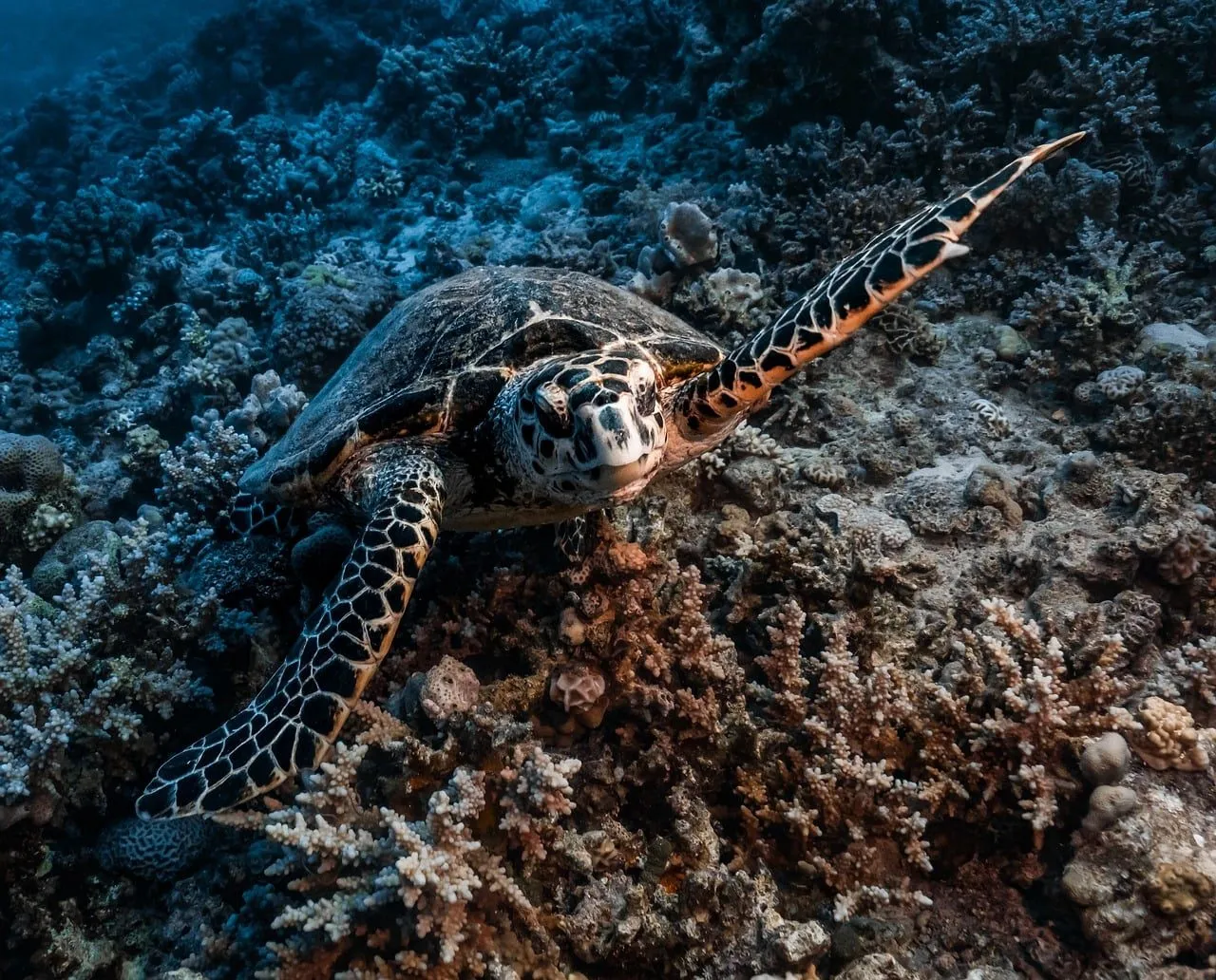
G1les · Pixabay Content License · source

Egypt / Red Sea

Red Sea (Egypt)

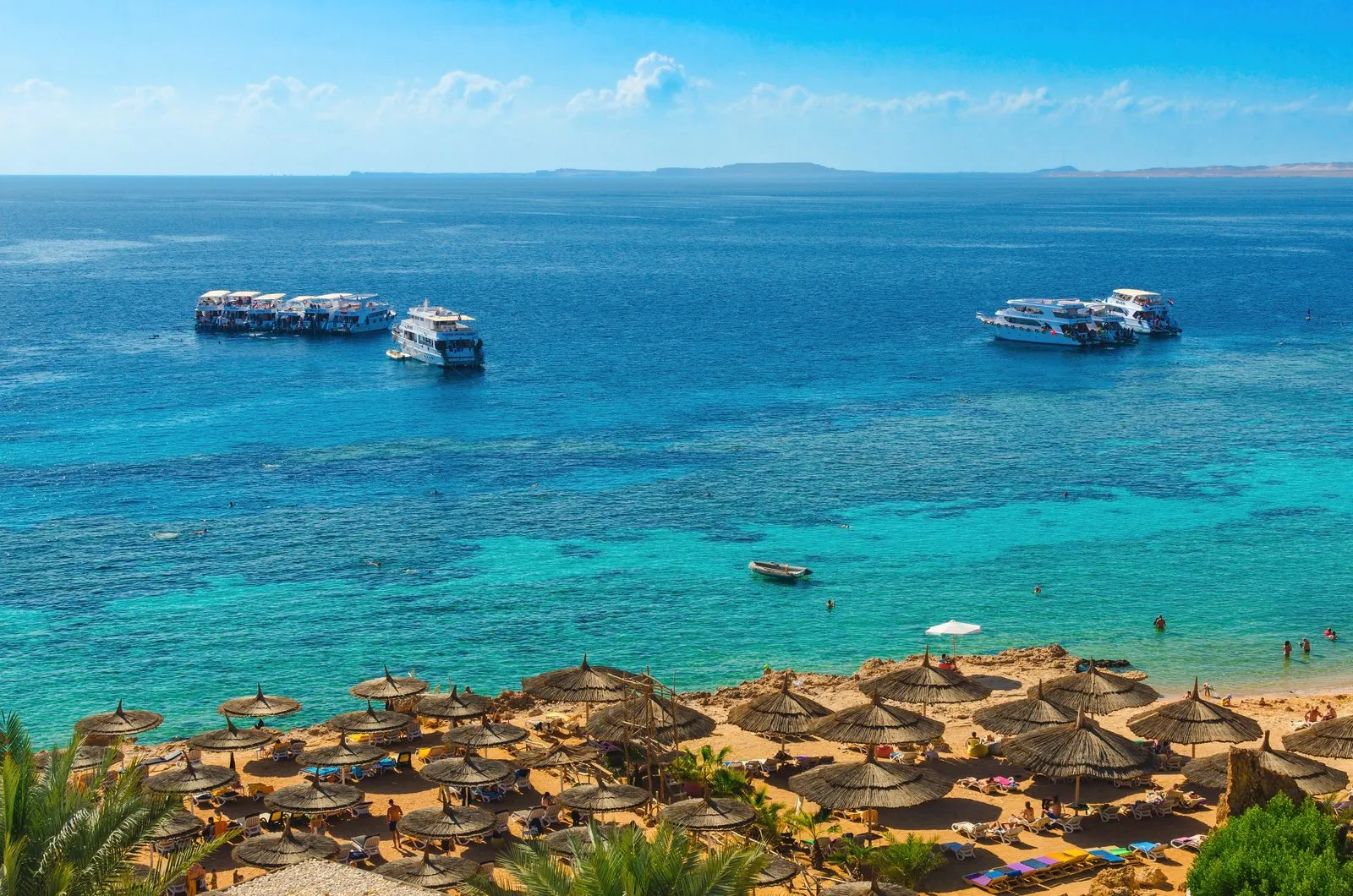
Four bases, four personalities. Sharm el-Sheikh is a purpose-built resort town, nightlife, all-inclusive hotels, great diving from the beach. Hurghada is similar with a more chaotic energy. Dahab is the chilled backpacker and freediving hub, camp-fire culture, the best food scene of the four, and the world's most famous freediving site on its doorstep. Marsa Alam is for serious divers only: remote, quiet, exceptional marine life.

Can I dive here?

Experience

Beginner-friendly

Open Water minimum for most sites. Advanced OW recommended for Ras Mohammed and liveaboard itineraries (current, depth). Thistlegorm is manageable for OW divers with a guide; interior penetration is Advanced. Hyperbaric chambers in Sharm el-Sheikh and Hurghada. Dahab's Blue Hole is dangerous, never attempt the Arch (56 m) without full technical training.

Conditions

Currents
moderate
Depth range
5–40 m
Visibility
20–40 m
Water temp
22–29 °C

Generally mild currents on house reefs and sheltered sites; stronger at open-water sites like Ras Mohammed and the Brothers. Winter water temperature drops to 22°C in the north - a 5 mm wetsuit needed Dec–Feb. Visibility is consistently outstanding, often 30 m+ in the main dive season.

Season

JanFebMarAprMayJunJulAugSepOctNovDec

Diveable year-round with warm, clear water in every month. Oct–May is preferred, surface temperatures are bearable (25–35°C) and visibility is consistently excellent. Jun–Sep diving is superb underwater but the desert heat above water (40°C+) makes surface intervals punishing. Liveaboard routes to the Brothers and Daedalus run year-round.

What will I see?

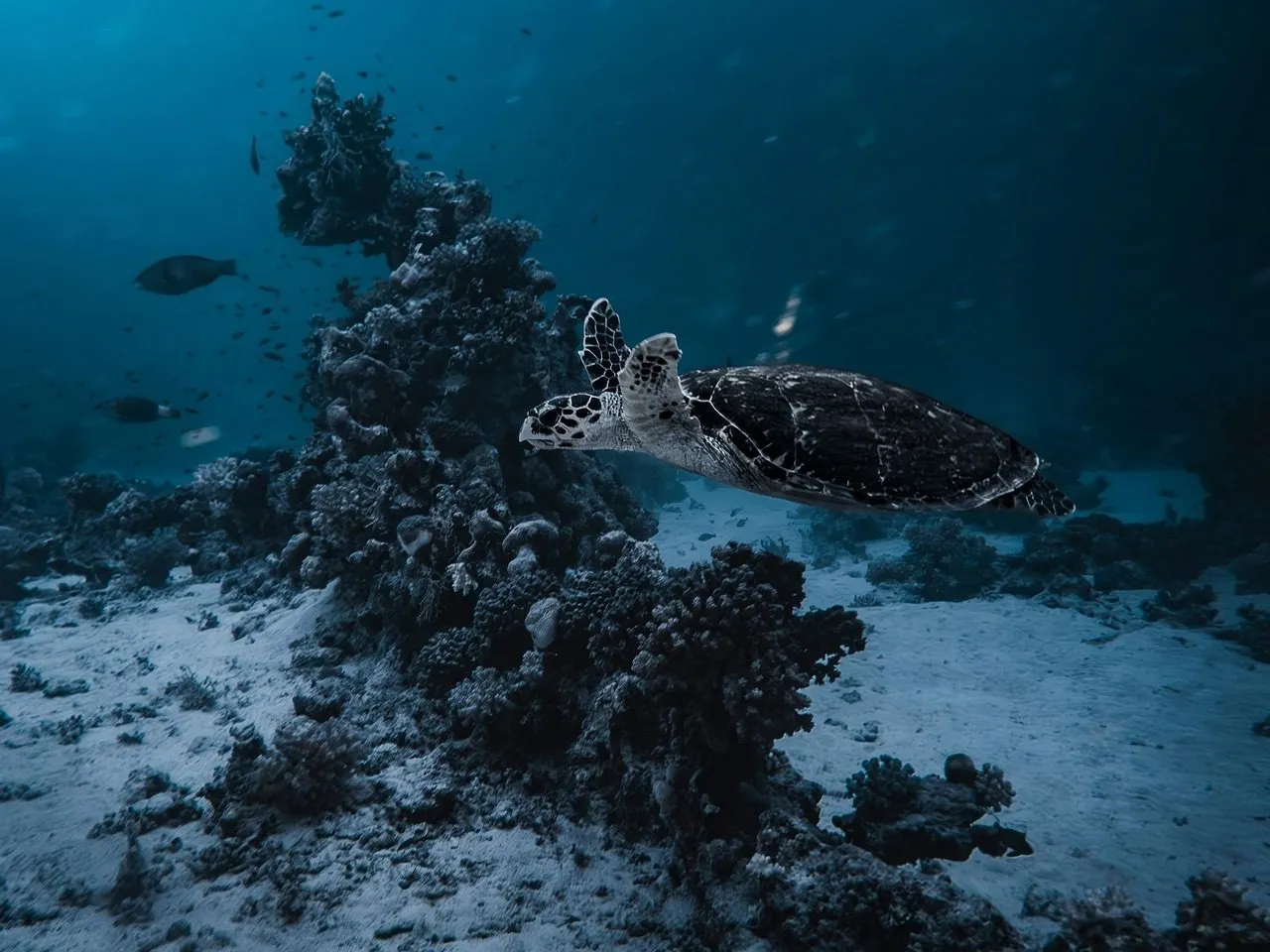
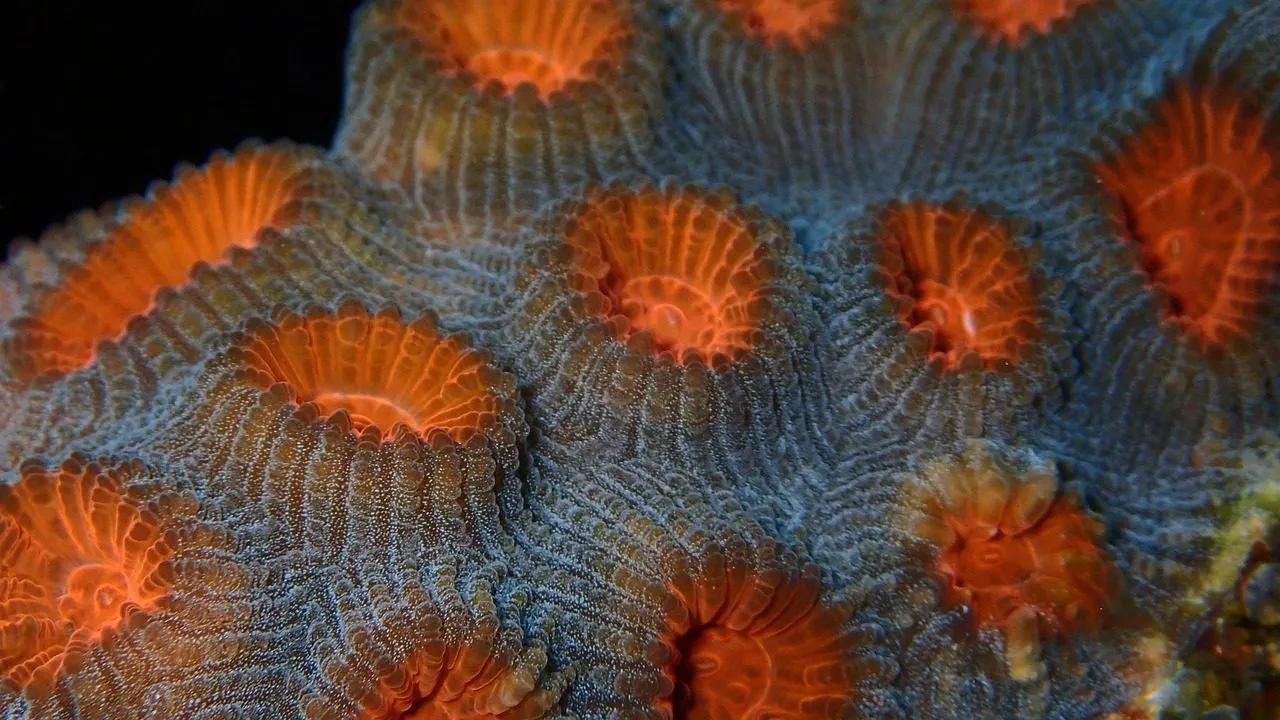
The Red Sea is geologically isolated from other oceans, producing a marine ecosystem found nowhere else, around 17% of Red Sea fish species are endemic. The walls at Ras Mohammed and the Brothers hold dense soft coral gardens and extraordinary fish life: schooling barracuda, grey reef sharks, giant Napoleon wrasse, and clouds of anthias that turn the walls orange. The SS Thistlegorm wreck is regularly cited as the world's best wreck dive. Macro divers find nudibranchs, crocodilefish, and frogfish on every reef.

Terrain

  • walls
  • steep slopes
  • coral gardens
  • wrecks
  • sand channels
  • oceanic plateaus
Grey reef & hammerhead sharks
JFMAMJJASOND

Ras Mohammed and the Brothers hold grey reef sharks; hammerheads school at the Brothers in winter.

SS Thistlegorm (WWII wreck)
JFMAMJJASOND

British cargo ship sunk in 1941, motorcycles, trucks, and ammunition still inside the holds.

Manta rays
JFMAMJJASOND

Daedalus Reef and the Brothers attract mantas on cleaning stations.

Oceanic whitetip sharks
JFMAMJJASOND

Elphinstone Reef near Marsa Alam is one of the few reliable spots to see oceanic whitetips in recreational diving.

Endemic reef fish & anthias
JFMAMJJASOND

The wall fish density, orange anthias carpeting every surface, is unlike almost anywhere else.

Macro (nudibranchs, crocodilefish, frogfish)
JFMAMJJASOND

Dahab's sandy channels and muck sites reward slow, macro-focused divers.

Top dive sites

Coral reef in Red Sea (Egypt)

Danigrau · Pixabay Content License · source

SS Thistlegorm

Intermediate

Depth15–32 m

British WWII cargo wreck in the Strait of Gubal, motorcycles, trucks, and military cargo preserved in the holds. Widely considered the world's greatest accessible wreck dive.

  • WWII cargo wreck
  • motorcycles and trucks
  • military cargo
  • coral superstructure
  • glassfish
Scuba diving in Red Sea (Egypt)

Own work · CC BY 4.0 · source

Ras Mohammed

Intermediate

Depth5–40 m

Wall dropping to 800 m at the tip of the Sinai, grey reef sharks in the blue, enormous jack schools, Napoleon wrasse, and some of the Red Sea's densest coral coverage.

  • grey reef sharks
  • schooling jack
  • wall diving
  • soft coral
  • Napoleon wrasse
Coral reef in Red Sea (Egypt)

Franziska_Stier · Pixabay Content License · source

Blue Hole (Dahab)

Intermediate

Depth5–55 m

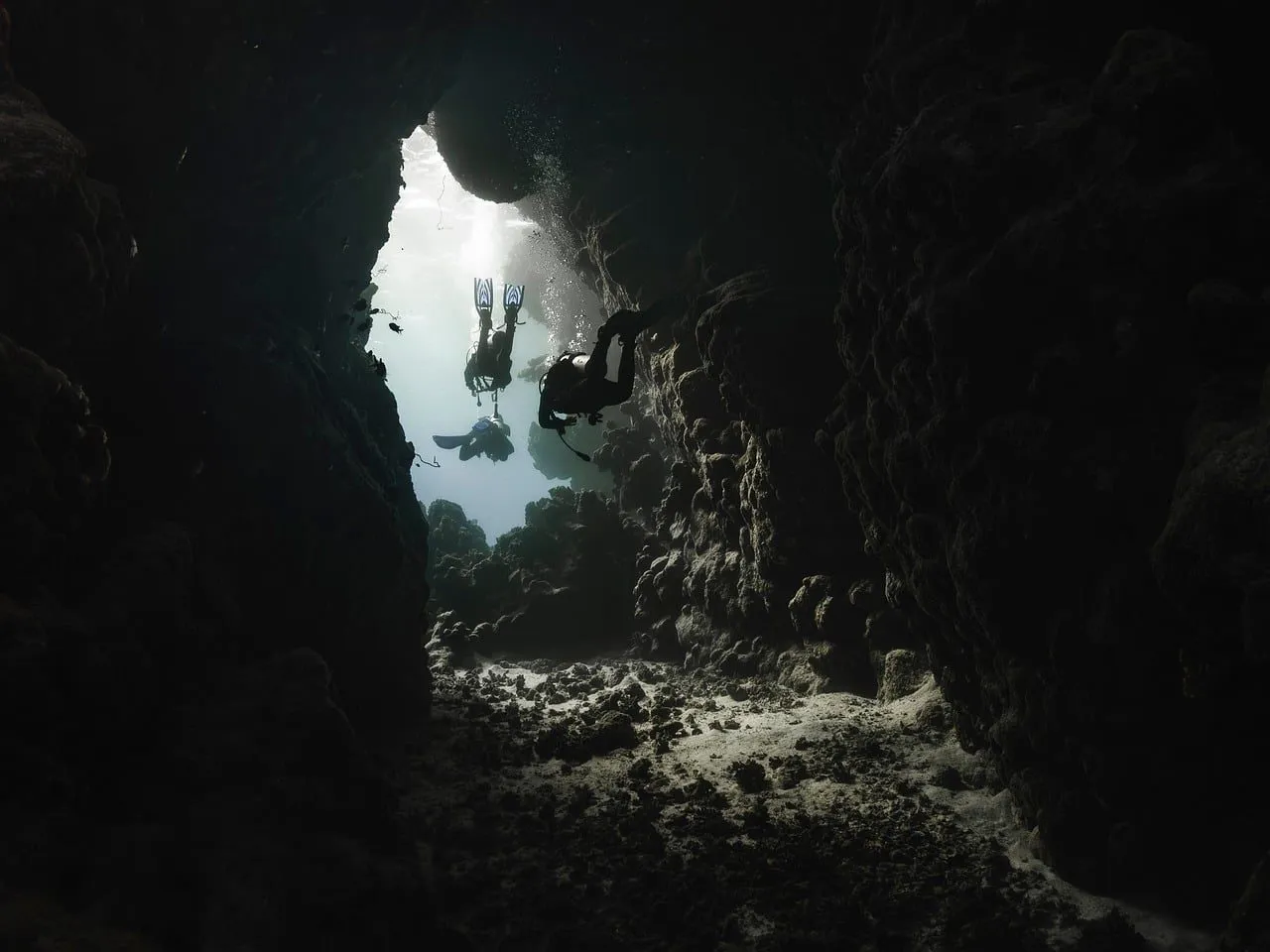
A 130 m vertical shaft accessible from the shore, scuba diving around the rim (5–30 m) offers anthias walls and an eerie blue void. The world's most famous freediving location.

  • vertical shaft
  • anthias walls
  • soft coral
  • eerie abyss
  • freediving landmark
Scuba diving in Red Sea (Egypt)

Franziska_Stier · Pixabay Content License · source

Big Brother (North Pinnacle)

Advanced only

Depth5–40 m

Liveaboard-only oceanic pinnacle, hammerheads and grey reef sharks patrol the walls; coral coverage is extraordinary. The jewel of the Red Sea's offshore diving.

  • hammerhead sharks
  • grey reef sharks
  • deep walls
  • liveaboard only
  • coral density
Scuba diving in Red Sea (Egypt)

joakant · Pixabay Content License · source

Elphinstone Reef

Advanced only

Depth5–40 m

Remote oceanic reef near Marsa Alam with oceanic whitetip sharks on the plateaus and manta cleaning stations on the western wall, both rarely seen in recreational diving worldwide.

  • oceanic whitetip sharks
  • manta cleaning station
  • oceanic reef
  • deep wall
  • open water

Plan your trip

Getting there

Fly to Sharm el-Sheikh (SSH) on the Sinai Peninsula, or Hurghada (HRG) on the mainland - both have direct charter and scheduled flights from Europe. Marsa Alam (RMF) serves the south. Dahab is reached by bus or taxi from Sharm (1.5 hr). Each base has a distinct character, choose it before you book accommodation. Check current government travel advisories for the Sinai region before travelling.

Minimum stay
4 nights (7+ for liveaboards to far sites)
Book ahead
2–6 weeks ahead; liveaboards to the Brothers and Daedalus 2–4 months ahead

Certification & medical

Open Water minimum for most sites. Advanced OW recommended for Ras Mohammed and liveaboard itineraries (current, depth). Thistlegorm is manageable for OW divers with a guide; interior penetration is Advanced. Hyperbaric chambers in Sharm el-Sheikh and Hurghada. Dahab's Blue Hole is dangerous, never attempt the Arch (56 m) without full technical training.

Infrastructure

Sharm and Hurghada are full resort towns with ATMs, pharmacies, hospitals, and everything a tourist needs. Dahab is smaller but well-equipped, dive schools, cafes, and a clinic. Marsa Alam is limited, mostly dive resort territory with little else nearby. Hyperbaric chambers in Sharm (DAN-affiliated) and Hurghada. Check government travel advisories for the Sinai Peninsula before booking any Sharm or Dahab trip.

Connectivity

4G (Vodafone, Orange Egypt) is reliable in all tourist towns. WiFi universally available at accommodation and dive shops. Internet speeds are good in Sharm and Hurghada; decent in Dahab; patchy in Marsa Alam. Mobile data is inexpensive on an Egyptian SIM.

Health & safety

Well-equipped hyperbaric facilities in Sharm and Hurghada. Dahab's Blue Hole has a disproportionate accident record, never push depth here, and avoid the Arch without full technical training. Currents at Ras Mohammed and the Brothers can be unpredictable. Drink only bottled water. Sun protection on surface intervals is critical in summer months.

Peak season

Oct–Dec and Feb–Apr are the main peaks. Liveaboards to the Brothers and Daedalus fill 2–4 months ahead in these windows. Winter (Jan–Feb) is less crowded but cold on the surface and in the water (22°C, 5 mm wetsuit essential). Summer (Jun–Aug) is low season for tourism but excellent for diving, prices drop, sites are quiet, water is warm; surface heat is intense.

Conditions and operator availability change. Always verify locally before booking.

Common questions about Red Sea (Egypt)

Is Red Sea (Egypt) suitable for beginner divers?

Red Sea (Egypt) is rated "Beginner-friendly". Open Water minimum for most sites. Advanced OW recommended for Ras Mohammed and liveaboard itineraries (current, depth). Thistlegorm is manageable for OW divers with a guide; interior penetration is Advanced. Hyperbaric chambers in Sharm el-Sheikh and Hurghada. Dahab's Blue Hole is dangerous, never attempt the Arch (56 m) without full technical training.

When is the best time to dive Red Sea (Egypt)?

The best months are Oct, Nov, Dec, Jan, Feb, Mar, Apr, May. Diveable year-round with warm, clear water in every month. Oct–May is preferred, surface temperatures are bearable (25–35°C) and visibility is consistently excellent. Jun–Sep diving is superb underwater but the desert heat above water (40°C+) makes surface intervals punishing. Liveaboard routes to the Brothers and Daedalus run year-round.

What can you see diving in Red Sea (Egypt)?

Divers come to Red Sea (Egypt) for Grey reef & hammerhead sharks, SS Thistlegorm (WWII wreck), Manta rays, Oceanic whitetip sharks, Endemic reef fish & anthias, Macro (nudibranchs, crocodilefish, frogfish). Generally mild currents on house reefs and sheltered sites; stronger at open-water sites like Ras Mohammed and the Brothers. Winter water temperature drops to 22°C in the north - a 5 mm wetsuit needed Dec–Feb. Visibility is consistently outstanding, often 30 m+ in the main dive season.