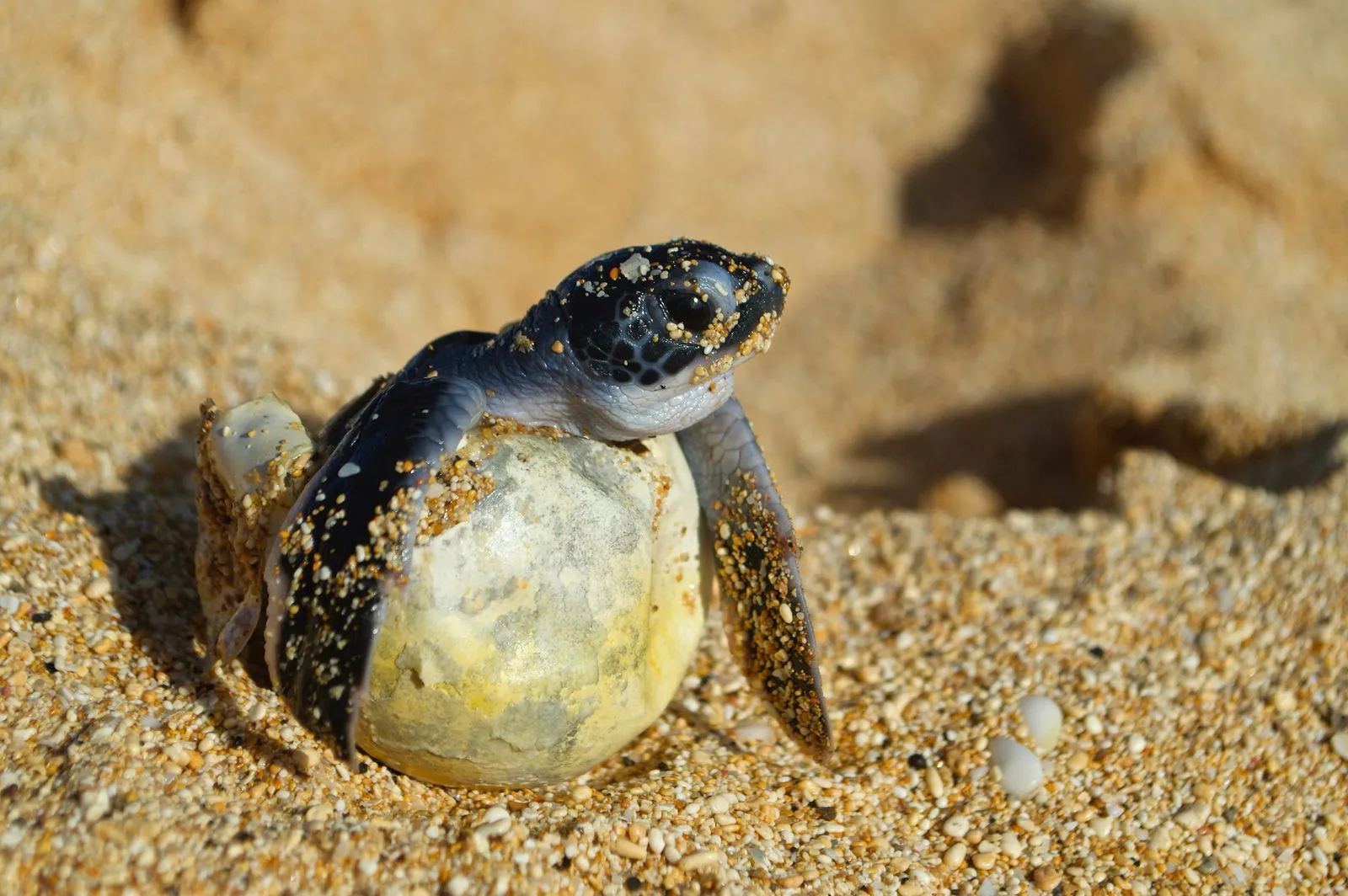
https://unsplash.com/photos/NKB-dlV7vro Image at the Wayback Machine Gallery at the Wayback Machine · CC0 · source

Mexico / Caribbean

Cozumel Reef National Park

A genuine diver's island with just enough tourist infrastructure to be comfortable, and not so much that it feels like a resort complex. San Miguel town has real Mexican street food, local bars, a dive shop on every corner, and a waterfront that buzzes at sunset. The east coast of the island is completely wild. Cruise ships dock in the north but their passengers stay near the terminal; the dive sites are blissfully unaffected.

Can I dive here?

Experience

Intermediate

Open Water minimum for most sites. Advanced OW recommended for Punta Sur, Maracaibo, and deep Colombia dives (strong current, depth). The island has a hyperbaric chamber (Buceo Medico Mexicano, staffed 24/7), a major safety advantage over most dive destinations. All boats must dive with certified guides inside the Marine Park. A park fee (~$3–5 USD/day per diver) applies, usually included in your package.

Conditions

Currents
moderate
Depth range
5–40 m
Visibility
20–40 m
Water temp
24–29 °C

Consistent north-to-south drift current flows along the western reef wall year-round - this is what makes Cozumel famous. Currents are predictable on most sites; Punta Sur and Maracaibo can run fast and require experience. Visibility is among the clearest in the Caribbean, regularly 30 m+.

Season

JanFebMarAprMayJunJulAugSepOctNovDec

Diveable year-round with warm, clear water in every month. Best visibility and calmest conditions Apr–Aug. Hurricane season runs Jun–Nov, diving usually continues, but watch for system track updates. Nortes (cold fronts) Nov–Feb can bring 1–3 day choppy spells on the west coast; most shops wait them out and reschedule.

What will I see?

Cozumel sits on the Mesoamerican Barrier Reef, the second largest barrier reef system in the world, and its walls are among the Caribbean's most pristine. The permanent drift current delivers constant nutrients, sustaining enormous sea fans (some taller than a diver), dense sponge forests, and a reef fish community that rewards slow, unhurried drift diving. Spotted eagle rays cruise the drop-offs, hawksbill turtles rest on coral heads, nurse sharks lounge in sandy channels, and Nassau grouper, now rare elsewhere in the Caribbean, are genuinely common here thanks to decades of Marine Park protection.

Terrain

  • walls
  • coral gardens
  • sand channels
  • tunnels
  • caves
  • slopes
Spotted eagle rays
JFMAMJJASOND

Regular sightings at Paso del Cedral and Colombia, often in groups of 3–5 gliding in formation.

Hawksbill & loggerhead turtles
JFMAMJJASOND

Resting on coral heads and grazing algae throughout the park. Near-guaranteed encounter.

Caribbean reef sharks
JFMAMJJASOND

Patrolling the wall at Santa Rosa, Palancar, and Colombia, calm and unhurried.

Nurse sharks
JFMAMJJASOND

Resting in sandy channels and under coral ledges. Paso del Cedral is the best spot.

Giant sea fans & black coral
JFMAMJJASOND

Palancar and Santa Rosa walls are lined with Gorgonian fans up to 2 m across. Rare in the Caribbean.

Nassau grouper
JFMAMJJASOND

Scarce across the Caribbean but genuinely common here. Marine Park protection works.

Whale sharks
JFMAMJJASOND

Aggregations off nearby Isla Holbox and the Yucatán coast, day trips possible from Cozumel.

Top dive sites

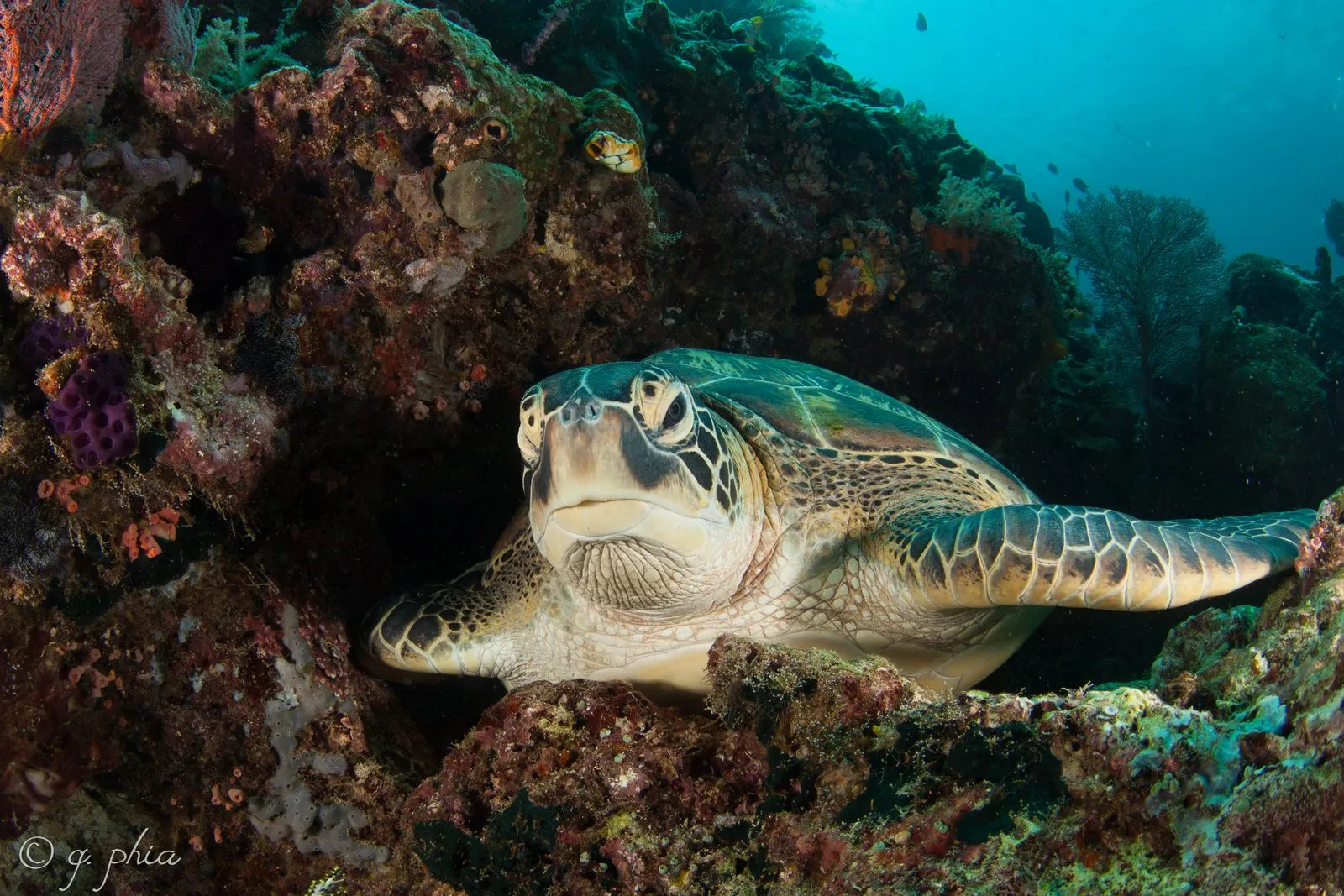
Green turtle while diving in Cozumel Reef National Park

Imported from 500px (archived version) by the Archive Team. (detail page) · CC BY 3.0 · source

Palancar Reef

Intermediate

Depth5–40 m

The Caribbean's most famous dive, a sheer wall drift through canyons, tunnels, and caves lined with massive sea fans and barrel sponges. Multiple sections suit every experience level.

  • giant sea fans
  • barrel sponges
  • drift diving
  • black coral
  • reef fish density
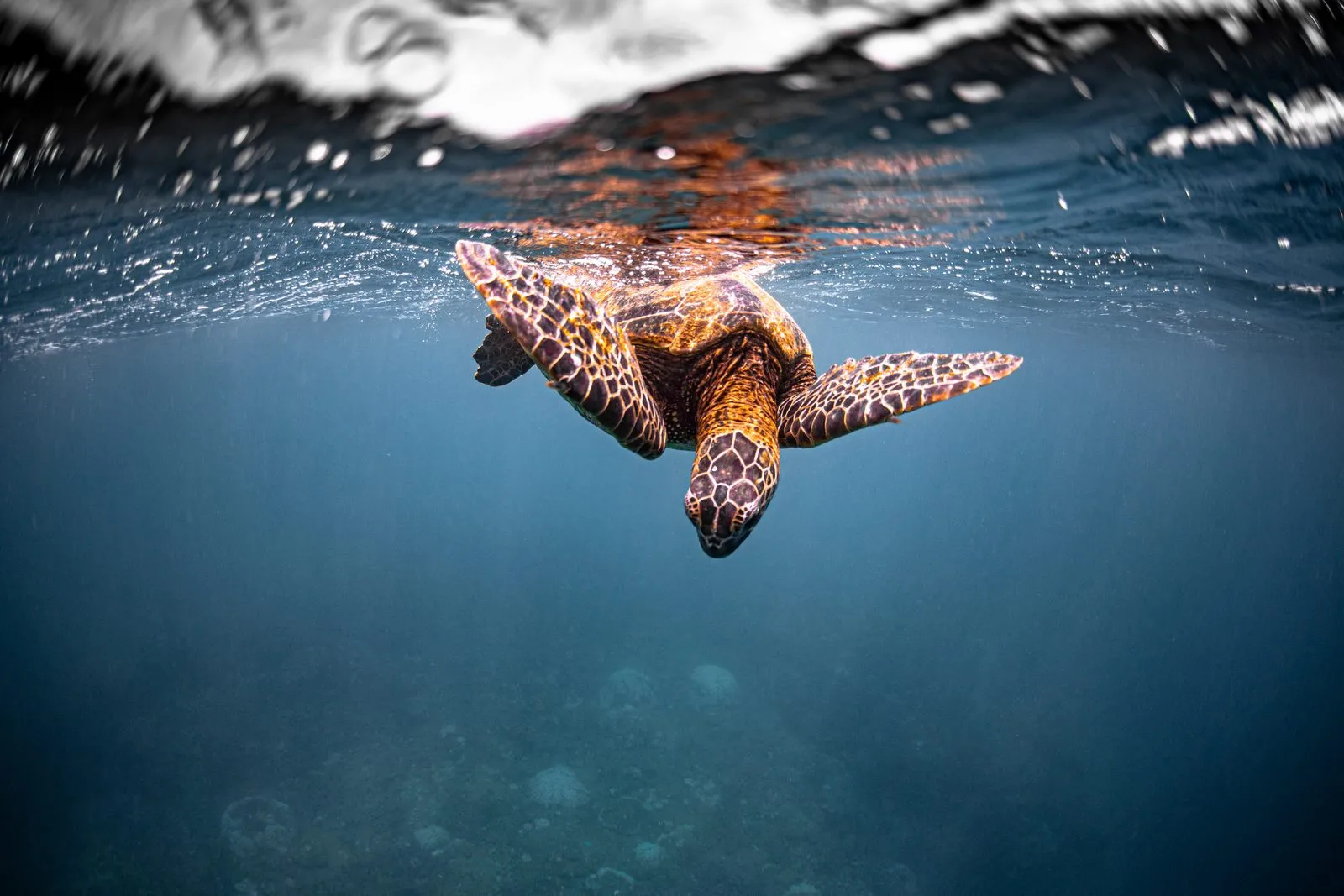
Green turtle while diving in Cozumel Reef National Park

green turtle 4 lekuan 1, siladen, indonesia · CC BY 2.0 · source

Santa Rosa Wall

Intermediate

Depth5–40 m

A near-vertical wall with a strong drift current that turns the dive into a controlled free-fall past Gorgonian fans and enormous sponges. Exhilarating and effortless.

  • vertical wall
  • Gorgonian fans
  • fast drift
  • reef sharks
  • eagle rays
Green turtle while diving in Cozumel Reef National Park

HIHWNMS Sea turtle · Public domain · source

Paso del Cedral

Beginner-friendly

Depth5–20 m

Sandy channel famous for spotted eagle rays in formation and nurse sharks resting on the bottom. Sea turtles graze the adjacent reef. Mild current and accessible depth.

  • spotted eagle rays
  • nurse sharks
  • sea turtles
  • sandy channel
  • reef fish
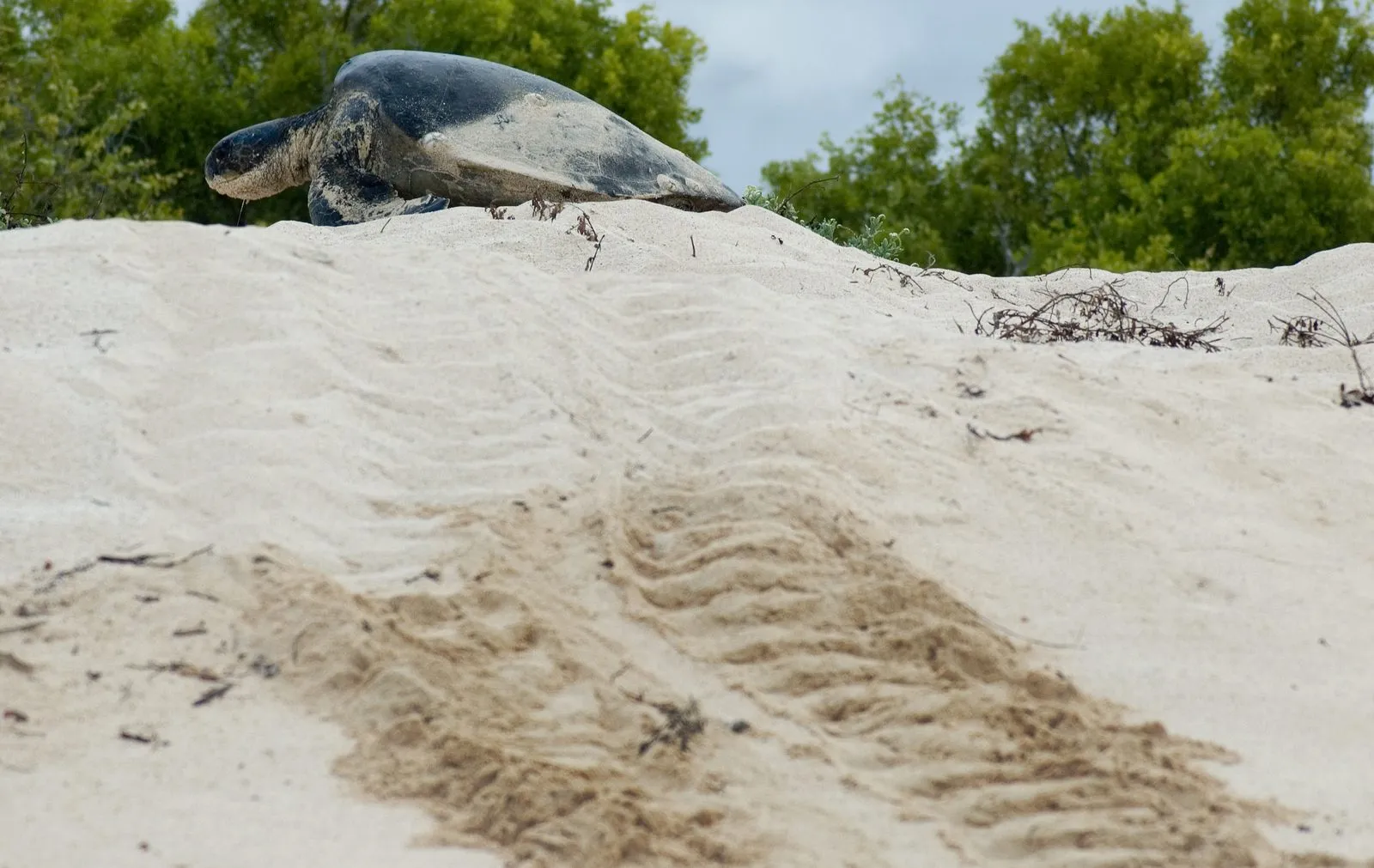
Green turtle while diving in Cozumel Reef National Park

Green sea turtle laying eggs Uploaded by Magnus Manske · CC BY 2.0 · source

Colombia Reef

Advanced only

Depth20–40 m

A dramatic deep wall beginning at 20 m, black coral forests, deep-water sea fans, Caribbean reef sharks on the blue edge, and eagle rays gliding past the vertical drop-off.

  • black coral
  • deep wall
  • eagle rays
  • reef sharks
  • deep-water sea fans
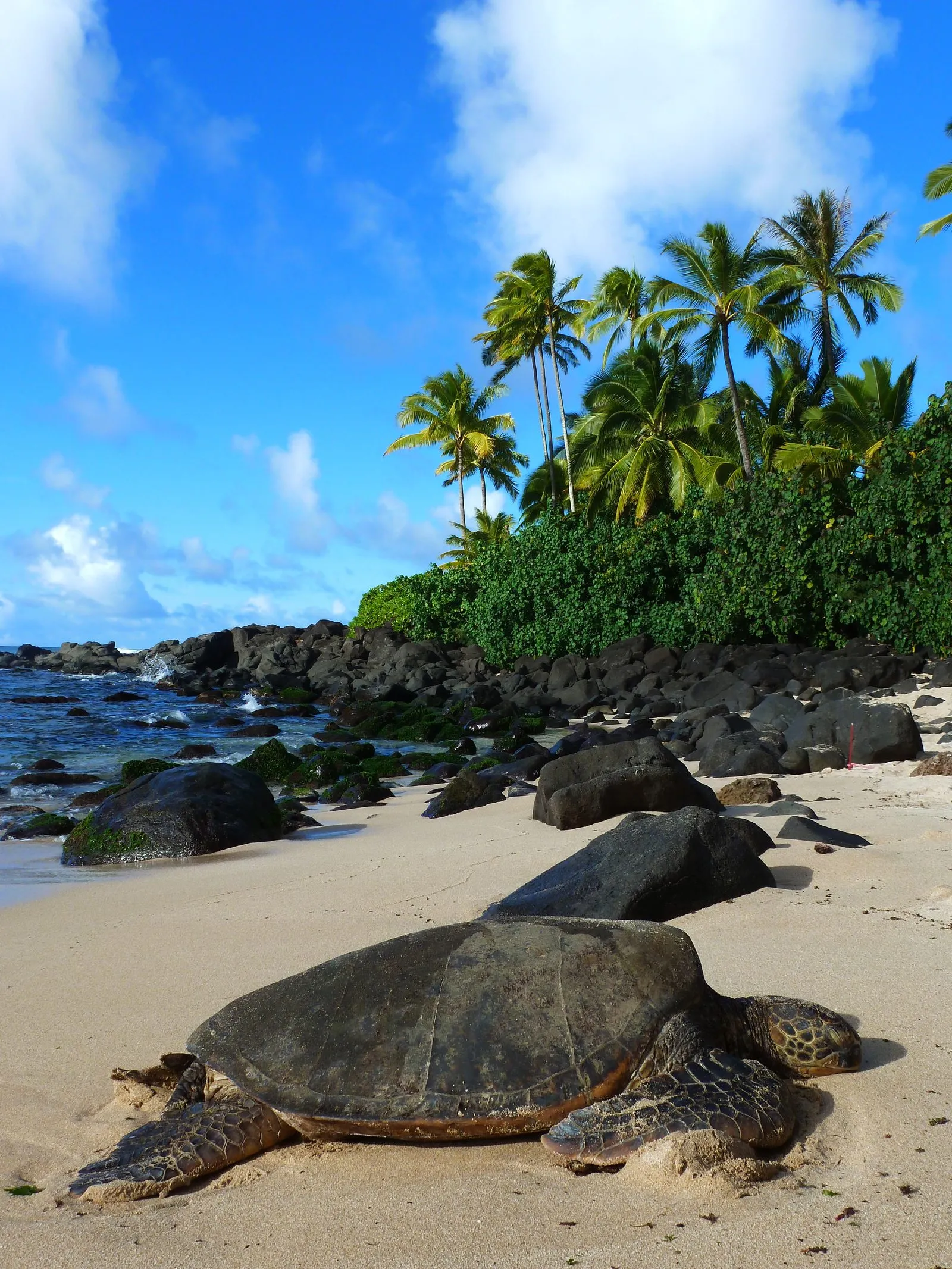
Green turtle while diving in Cozumel Reef National Park

Basking · CC BY 2.0 · source

El Cielo

Beginner-friendly

Depth5–12 m

A shallow, calm, sandy bay carpeted in cushion sea stars, peaceful, colourful, and snorkellable. The ideal first dive, final dive, or go-to site for nervous divers and non-divers.

  • cushion sea stars
  • sea turtles
  • calm conditions
  • sandy floor
  • reef fish

Plan your trip

Getting there

Fly direct to Cozumel International Airport (CZM), direct connections from major US cities (Houston, Dallas, Miami, Chicago) and via Cancun. Alternatively: fly to Cancun (CUN), bus or colectivo to Playa del Carmen (1 hr, ~$5), then ferry to Cozumel (45 min, ~$18 each way). Ferries run every 1–2 hours until 10 pm. On the island, taxis and scooter rental cover all the ground you need, the island is flat and roads are good.

Minimum stay
3 nights
Book ahead
1–2 weeks ahead; Christmas/New Year fills 2–3 months ahead

Certification & medical

Open Water minimum for most sites. Advanced OW recommended for Punta Sur, Maracaibo, and deep Colombia dives (strong current, depth). The island has a hyperbaric chamber (Buceo Medico Mexicano, staffed 24/7), a major safety advantage over most dive destinations. All boats must dive with certified guides inside the Marine Park. A park fee (~$3–5 USD/day per diver) applies, usually included in your package.

Infrastructure

San Miguel is a proper small city. ATMs everywhere (USD and pesos), pharmacies, supermarkets, and a hospital. USD accepted at essentially all dive shops, restaurants, and hotels. Power and water are reliable. The island has a hyperbaric recompression chamber (Buceo Medico Mexicano) staffed 24/7, an unusually reassuring safety net by dive-destination standards.

Connectivity

Telcel and AT&T Mexico 4G coverage across most of the island. US SIM cards often work on roaming, check your plan before departure. WiFi available at virtually all accommodation and most restaurants. Easy to stay connected; equally easy to leave the phone in your room.

Health & safety

One of the safest dive destinations logistically, on-island hyperbaric chamber, mandatory certified guides in the Marine Park, and all boats carry oxygen. Main risks are depth temptation on the deep walls and current surprises at Punta Sur and Maracaibo. Tap water is not drinkable; use filtered or bottled water. Bring mosquito repellent for evenings.

Peak season

Christmas–New Year and US spring break (March) are the busiest periods, book accommodation 2–3 months ahead and expect more boats at popular sites. Cruise ships arrive daily (sometimes 3–4 large vessels at once) but their passengers stay near the terminal and don't affect dive sites. May–September is the sweet spot: warm, calm, clear, and fewer tourists.

Conditions and operator availability change. Always verify locally before booking.

Common questions about Cozumel Reef National Park

Is Cozumel Reef National Park suitable for beginner divers?

Cozumel Reef National Park is rated "Intermediate". Open Water minimum for most sites. Advanced OW recommended for Punta Sur, Maracaibo, and deep Colombia dives (strong current, depth). The island has a hyperbaric chamber (Buceo Medico Mexicano, staffed 24/7), a major safety advantage over most dive destinations. All boats must dive with certified guides inside the Marine Park. A park fee (~$3–5 USD/day per diver) applies, usually included in your package.

When is the best time to dive Cozumel Reef National Park?

The best months are Mar, Apr, May, Jun, Jul, Aug, Sep. Diveable year-round with warm, clear water in every month. Best visibility and calmest conditions Apr–Aug. Hurricane season runs Jun–Nov, diving usually continues, but watch for system track updates. Nortes (cold fronts) Nov–Feb can bring 1–3 day choppy spells on the west coast; most shops wait them out and reschedule.

What can you see diving in Cozumel Reef National Park?

Divers come to Cozumel Reef National Park for Spotted eagle rays, Hawksbill & loggerhead turtles, Caribbean reef sharks, Nurse sharks, Giant sea fans & black coral, Nassau grouper, Whale sharks. Consistent north-to-south drift current flows along the western reef wall year-round - this is what makes Cozumel famous. Currents are predictable on most sites; Punta Sur and Maracaibo can run fast and require experience. Visibility is among the clearest in the Caribbean, regularly 30 m+.